
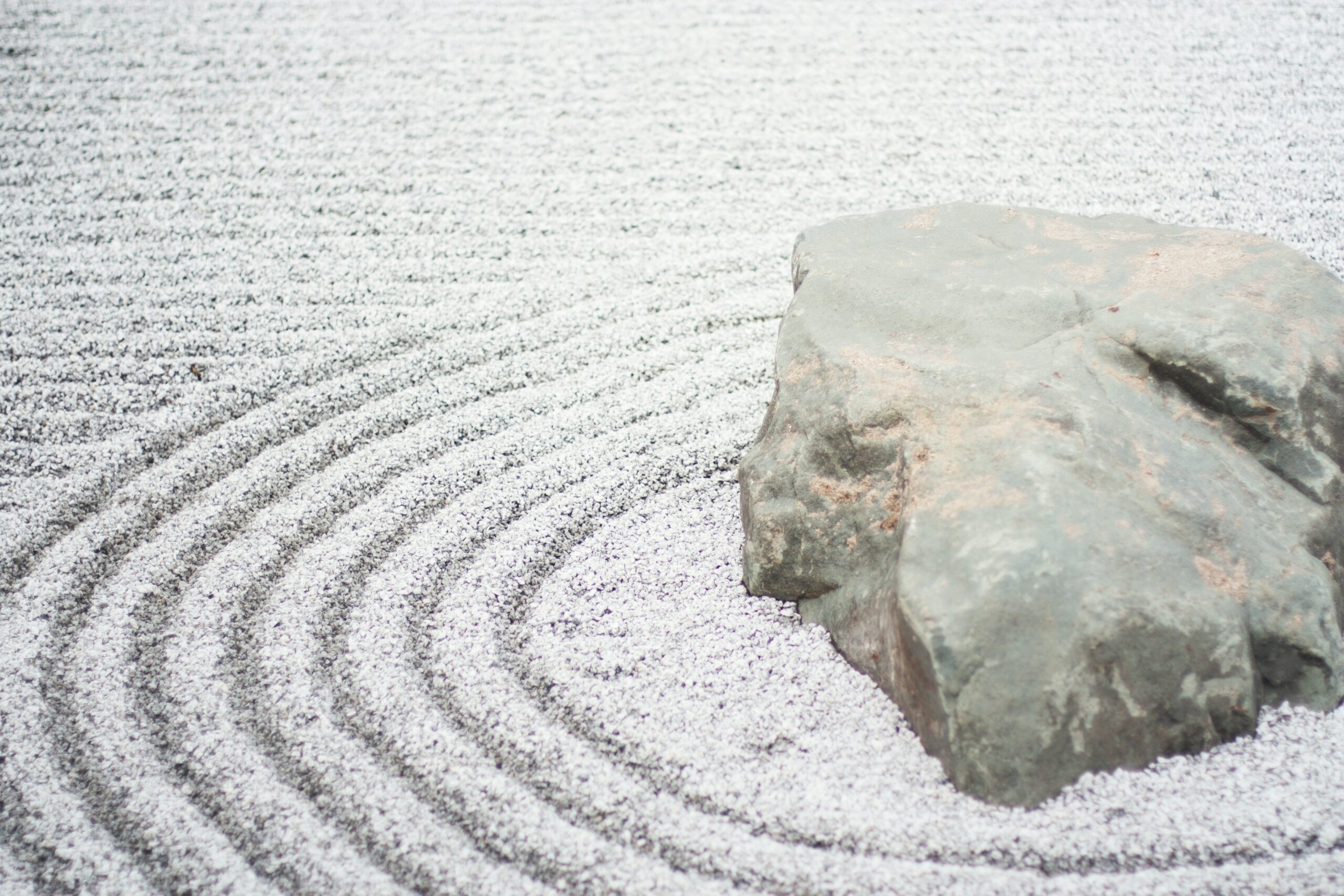
What repeating the same small actions taught me about calm, focus, and presence.
Why Repetition Felt So Boring to Me
When I was younger, I believed repetition meant boredom.
Doing the same thing again and again felt pointless.
I wanted progress, change, and visible results.
That was one of the reasons I struggled with Japanese tea ceremony.
The same movements.
The same order.
The same quiet rhythm.
To my teenage mind, it felt slow—and unnecessary.
What I Didn’t Understand Back Then
What I didn’t understand was this:
Repetition isn’t meant to stimulate the mind.
It’s meant to settle it.
Back then, my attention was always looking for something new.
Something interesting.
Something to react to.
Repetition felt empty because I was expecting it to entertain me.
Discovering Repetition Again, Years Later
Years later, when I began preparing matcha regularly at home, something changed.
I found myself doing the same simple actions every day:
- boiling water
- scooping matcha
- whisking quietly
Nothing about it was exciting.
And yet, something inside me softened.
Without trying to control my thoughts, my mind gradually slowed down—simply because my body was doing something familiar.
Why Repetition Actually Works
Repetition removes decision-making.
When you already know what comes next, your mind can finally rest.
There’s no need to plan.
No need to judge.
No need to rush ahead.
This is why repetition appears in so many traditional practices:
- tea preparation
- meditation
- calligraphy
- martial arts
It’s not about mastering a technique.
It’s about creating space.
Repetition Is Not the Enemy of Creativity
I used to think repetition killed creativity.
Now I see the opposite.
When the mind is no longer busy reacting, creativity has room to appear naturally.
Ideas feel clearer.
Emotions stabilize.
The body feels grounded.
Repetition doesn’t limit expression—it supports it.
Learning to Stay with What Is
The hardest part of repetition is staying.
Staying with the same movement.
Staying with the same breath.
Staying with the present moment—without escaping.
But that’s also where its quiet power lies.
Nothing dramatic happens.
And yet, everything slowly changes.
Why I No Longer Find Repetition Boring
I don’t find repetition boring anymore.
I find it reassuring.
In a world that constantly asks us to move faster, learn more, and do better, repetition offers something rare:
Permission to stay.
That’s what I was missing before.
And that’s what I’m grateful for now.
This shift in how I see repetition is closely tied to the way I prepare matcha today—quietly, simply, and without formal rules.
If you’re curious, you can read more about my everyday matcha ritual here →
My Everyday Matcha Ritual (No Ceremony Required)
Comments