
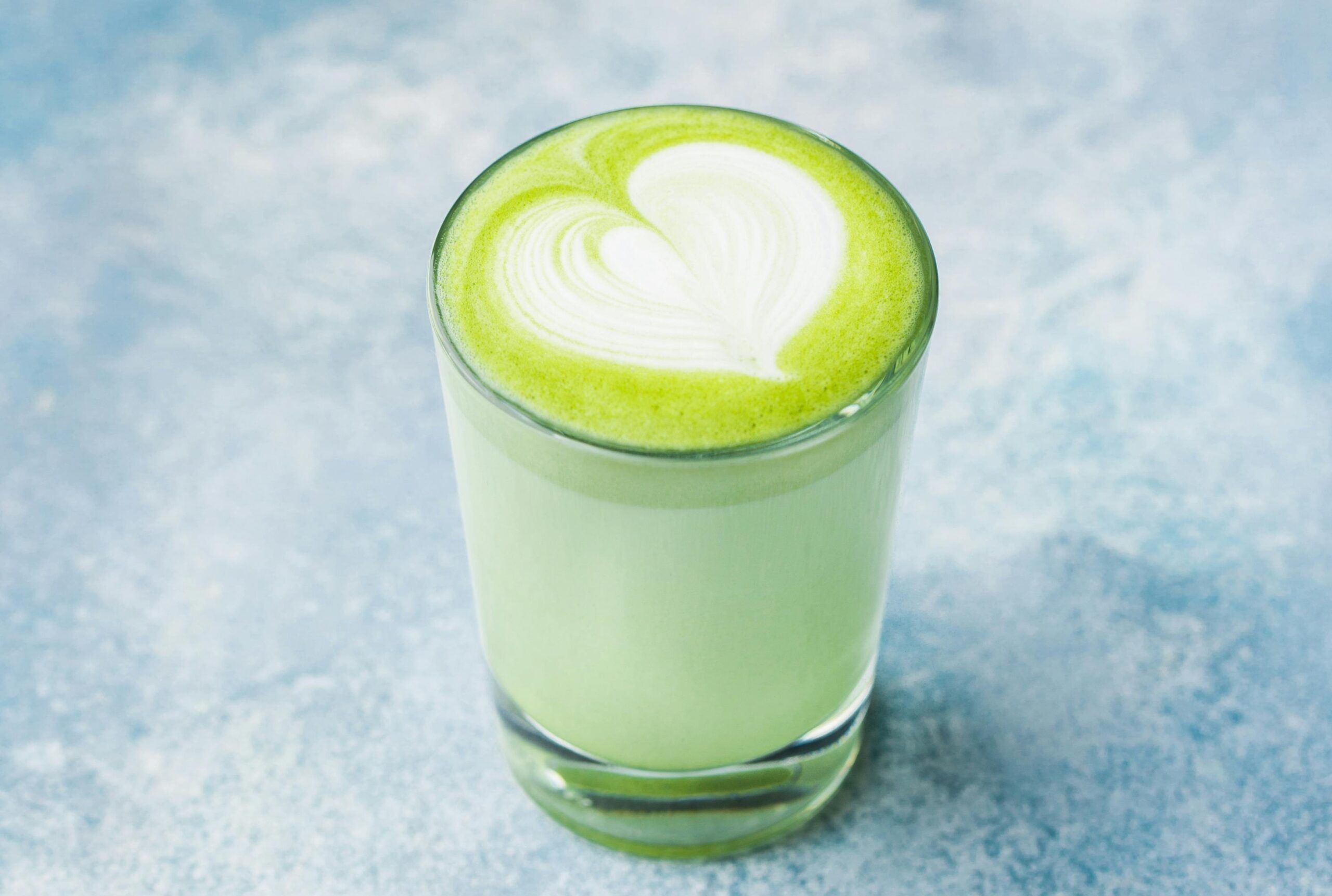
“Calm focus” is one of the most common reasons people turn to matcha.
But what does that actually mean — and why does matcha feel so different from coffee?
This article explores the science behind matcha’s unique mental effects,
how L-theanine and caffeine work together in the brain,
and why matcha supports a steady, balanced form of focus rather than stimulation.
Rather than hype or quick productivity hacks,
we’ll look at matcha as a gentle tool for modern mental balance.
What Does “Calm Focus” Mean?
Focus is often misunderstood as intensity.
In modern life, “being focused” usually means pushing harder,
forcing attention, or overriding fatigue with stimulation.
Calm focus is different.
It is a state in which attention feels clear but relaxed,
alert without tension,
and steady without strain.
Instead of narrowing the mind aggressively,
calm focus allows awareness to remain open, present, and responsive.
This is the mental quality matcha is known for —
and it has both cultural and scientific roots.
The Science Behind Matcha and L-Theanine
One of matcha’s key components is L-theanine,
an amino acid naturally found in green tea leaves.
L-theanine has been studied for its ability to:
- Promote relaxation without sedation
- Increase alpha brain wave activity (associated with calm awareness)
- Reduce the jittery effects of caffeine
When consumed on its own, caffeine stimulates the nervous system.
But when combined with L-theanine, its effect changes.
Instead of sharp alertness,
the brain enters a state that feels awake, but unhurried.
This synergy is what makes matcha unique.
Matcha vs Coffee: How the Brain Responds
Coffee delivers caffeine quickly.
This rapid absorption can increase alertness,
but it may also raise stress hormones,
leading to restlessness, anxiety, or an energy crash later.
Matcha behaves differently.
Because caffeine in matcha is released more gradually —
and balanced by L-theanine —
the nervous system is less likely to shift into a stress response.
Many people describe the difference this way:
- Coffee pushes the mind forward
- Matcha steadies the mind from within
This distinction is subtle, but meaningful.
Why Matcha Feels Steady, Not Stimulating
Matcha does not force concentration.
Instead, it supports the conditions in which focus naturally arises.
Several factors contribute to this experience:
- Gradual caffeine absorption
- Relaxation of mental tension
- Sensory grounding through taste, warmth, and aroma
The act of preparing matcha also matters.
Whisking, pouring, and drinking slowly
create a brief pause in the day —
a transition from scattered attention to presence.
In this way, matcha works on both a physiological and behavioral level.
When Matcha Helps — and When It Doesn’t
Matcha can be supportive, but it is not universal.
It often helps when:
- You need sustained concentration without pressure
- You feel mentally scattered or overstimulated
- You want gentle energy rather than intensity
It may not be ideal when:
- You are extremely sensitive to caffeine
- You drink it late in the evening
- You expect instant motivation or excitement
Like most wellness tools, matcha works best
when expectations are realistic and the body is listened to.
Matcha as a Tool for Modern Mental Balance
Historically, matcha was used by Zen practitioners
to maintain alertness during long periods of meditation.
The goal was not productivity —
it was presence.
In modern life, the context has changed,
but the need for steady awareness remains.
Matcha offers a way to support focus
without overwhelming the nervous system,
making it especially relevant in an age of constant stimulation.
If you’re wondering how to enjoy matcha in everyday life,
a simple matcha latte is one of the easiest ways to start.
→ Easy Matcha Latte Recipe (Hot & Iced)
Final Thoughts
Calm focus is not something to chase.
It emerges when the mind is supported rather than pushed.
Matcha does not promise peak performance or instant clarity.
What it offers instead is consistency —
a gentle, reliable state of alert presence.
When enjoyed with attention,
matcha becomes more than a beverage.
It becomes a quiet ally
for clarity, balance, and modern mental well-being.
Author note
This article is part of Matcha Moments, a modern exploration of matcha, Zen,
and the Samurai mind in everyday life.
Comments