
Leadership programs promise many things.
Clarity.
Confidence.
Executive presence.
They offer frameworks, language, and techniques designed to shape better leaders.
And yet, many senior leaders leave these programs with a quiet frustration.
They understand more—but feel unchanged.
This gap reveals something important.
Presence cannot be taught in the way leadership programs assume.
What Leadership Programs Are Designed to Do
Most programs are built around knowledge.
They explain:
- how leaders should think
- how they should communicate
- how they should appear
This approach works well for skills that can be transferred intellectually.
But presence does not operate at the level of information.
It operates at the level of state.
No amount of explanation can substitute for that.
Presence Is Not a Concept
Presence is often discussed as if it were an idea to understand.
But leaders who genuinely carry presence rarely describe it that way.
They do not say they “learned” it.
They say it settled.
Presence is not added.
It is revealed when internal interference quiets.
This is why leadership programs struggle.
They attempt to teach something that emerges only when teaching stops.
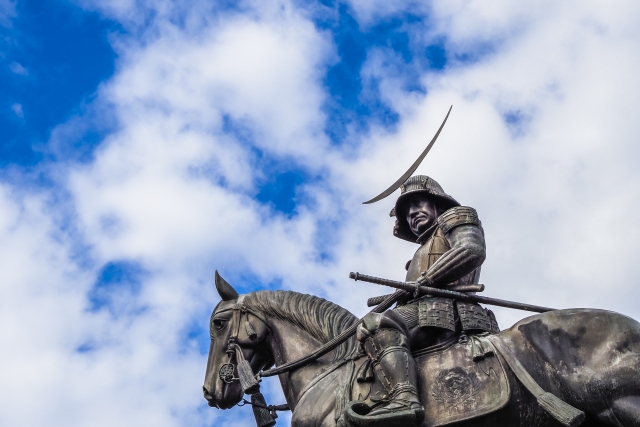
The Samurai Did Not Study Presence — They Entered It
The Samurai did not attend programs to cultivate presence.
They trained their entire way of being.
Through repetition.
Through form.
Through disciplined daily rituals.
Zen supported this not by instruction,
but by creating conditions where thinking naturally softened.
Presence emerged not as a goal,
but as a byproduct of alignment.
Matcha as a Daily Training Ground
In Samurai culture, matcha was never a productivity tool.
It was a regulating practice.
The preparation slowed the body.
The bitterness sharpened awareness.
The calm alertness settled the nervous system.
This mattered.
Presence is sustained not by occasional insight,
but by daily recalibration.
Matcha offered a quiet, repeatable way to return to balance—
long before leadership language existed.
Why Programs Miss the Body
Modern leadership development is largely disembodied.
It happens in conference rooms, slides, and discussions.
But presence is felt first in the body:
- breath
- posture
- timing
- restraint
Without addressing this level, programs can refine behavior
but cannot stabilize presence.
Leaders may perform confidence,
yet feel internally fragmented.
Presence Is Caught, Not Taught
The most influential leaders rarely explain their presence.
Others sense it.
This is why presence spreads through proximity, not curriculum.
It is absorbed through observation, rhythm, and shared silence—
not through instruction.
The Samurai understood this intuitively.
They trained environments, not explanations.
The Quiet Alternative
If presence cannot be taught, what remains?
Practice.
Repetition.
Simple rituals that return awareness to the body.
For modern leaders, this does not require ancient discipline
or withdrawal from life.
It can begin quietly.
With breath before speech.
With stillness before action.
With something as ordinary as preparing a bowl of matcha
with full attention.
This is where leadership programs end.
And where real presence begins.
Author note
This article is part of Matcha Moments, a modern exploration of matcha, Zen,
and the Samurai mind in everyday life.
Comments