
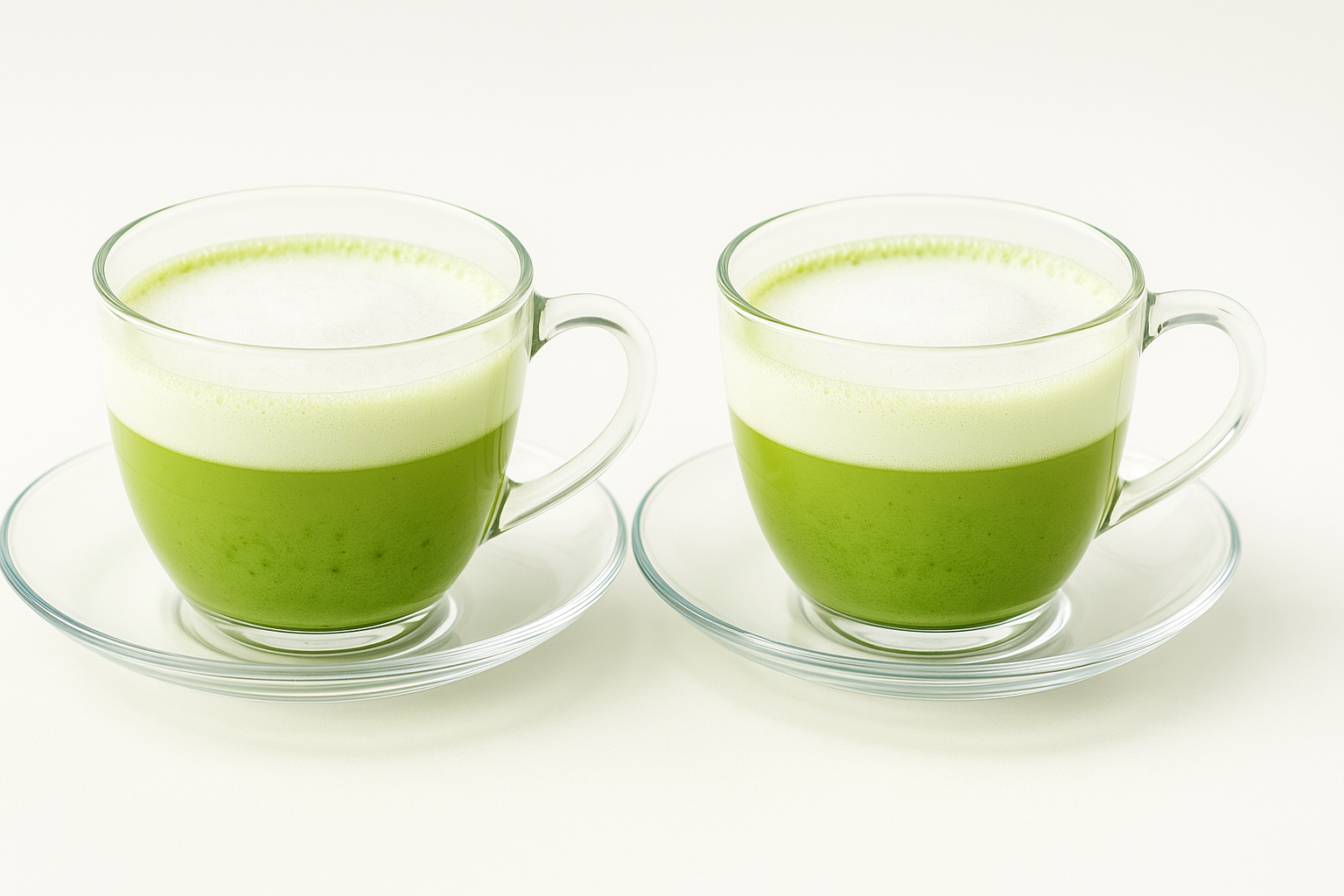
One of the most common questions about matcha is simple:
When is the best time to drink it?
Morning?
Before meals?
During fasting?
Before work?
The answer depends less on rules—and more on how matcha works with the body.
Matcha Is Not Just About Caffeine
Matcha does contain caffeine.
But its effect is different from coffee.
Because matcha naturally contains L-theanine,
its energy is slower, calmer, and more sustained.
Instead of a sharp spike, matcha creates a steady rise in alertness.
This is why timing matters.
Drinking Matcha in the Morning
Morning is one of the most popular times to drink matcha—and for good reason.
Drinking matcha in the morning can:
- gently activate metabolism
- support fat burning without stress
- improve mental clarity and calm focus
Unlike coffee, matcha is less likely to overstimulate the nervous system.
For many people, this makes it a better option at the start of the day.
Matcha Before Work or Study
Matcha is especially effective before mentally demanding tasks.
The combination of calm alertness and sustained energy helps:
- reduce mental clutter
- improve concentration
- prevent afternoon crashes
This is why matcha has long been associated with meditation and focused practice.
Matcha and Fat Burning Timing
Some people drink matcha before light movement or walking.
In this context, matcha may support fat burning by:
- increasing metabolic efficiency
- encouraging the body to use energy more smoothly
- avoiding the stress response triggered by stronger stimulants
The effect is subtle, but consistent over time.
Should You Drink Matcha on an Empty Stomach?
This depends on the individual.
Because matcha is gentler than coffee,
many people tolerate it well on an empty stomach.
However, sensitive individuals may prefer drinking matcha:
- after a small meal
- or with a light snack
Listening to the body is more important than following rules.
When to Avoid Matcha
Despite its calm profile, matcha still contains caffeine.
It is best to avoid drinking matcha:
- late in the evening
- close to bedtime
For most people, matcha is best enjoyed before mid-afternoon.
Matcha as a Daily Rhythm
Rather than searching for a perfect time,
it is more helpful to think in terms of rhythm.
Matcha works best when:
- consumed consistently
- prepared mindfully
- integrated into daily routines
This is how matcha has been used historically—not as a supplement,
but as a quiet support for balanced energy.
A Gentle Rule of Thumb
If you are unsure when to drink matcha, start here:
- Morning or early afternoon
- Before focused work
- When you want calm, steady energy
Matcha does not demand precision.
It rewards consistency.
And over time, that consistency shapes both energy and awareness.
Author note
This article is part of Matcha Moments, a modern exploration of matcha, Zen,
and the Samurai mind in everyday life.
Comments