
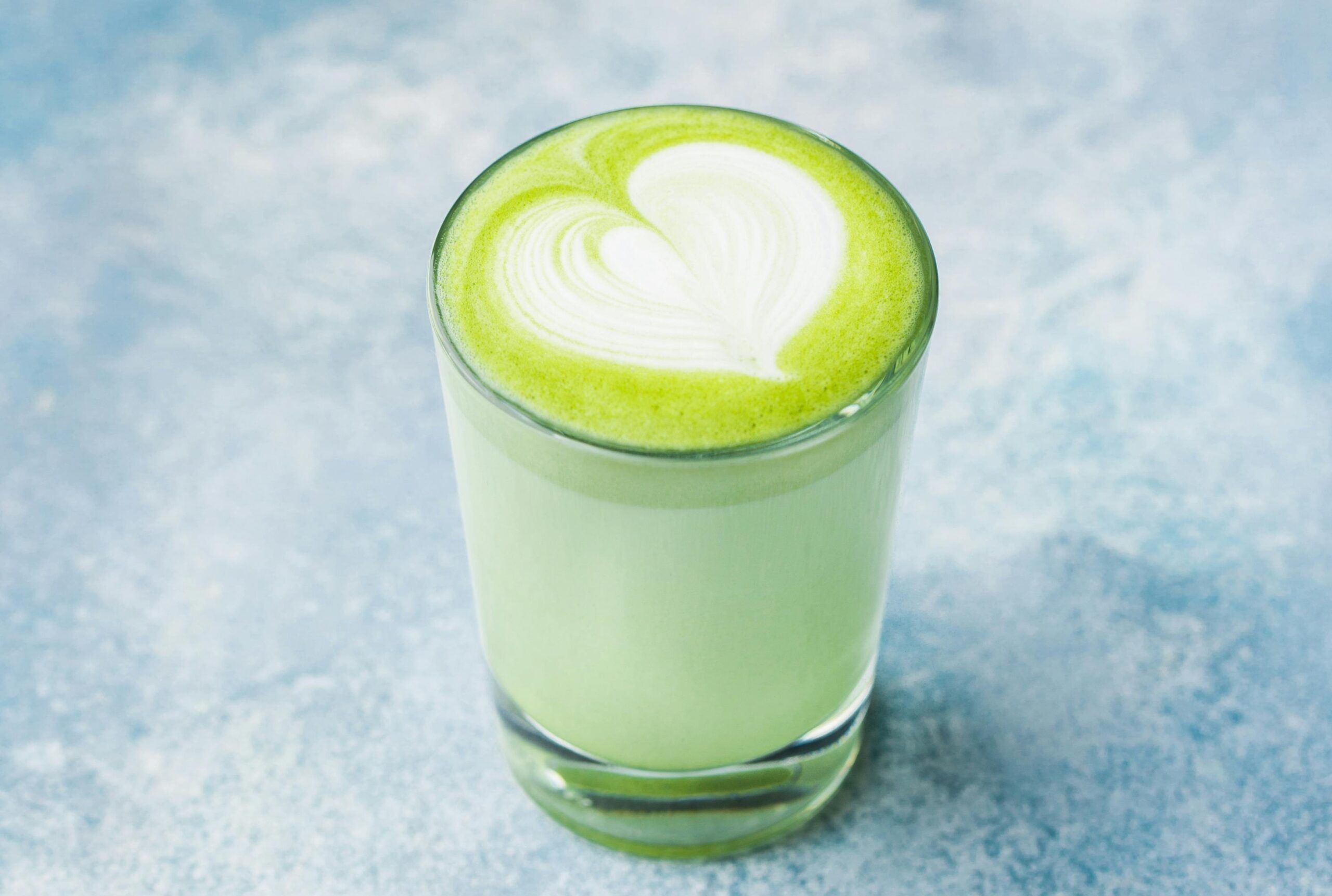
Matcha is often praised as a superfood or a trendy green drink.
But is matcha actually good for you — and if so, how should it be enjoyed in everyday life?
This article explores the real health benefits of matcha,
how its caffeine works differently from coffee,
and how to drink matcha gently and sustainably — without ceremony or pressure.
Rather than quick fixes or extreme claims,
we’ll look at matcha as a quiet, consistent companion for modern wellness.
Is Matcha Actually Good for You?
Short answer: yes — when used gently and consistently.
Matcha is not a miracle cure, and it doesn’t need to be.
Its strength lies in how it supports the body and mind over time, not all at once.
Unlike many wellness trends that rely on intensity or restriction,
matcha works best when it becomes part of a calm daily rhythm.
What makes matcha beneficial is not only its nutrients,
but the state it encourages — steady attention, relaxed alertness, and presence.
Key Health Benefits of Matcha
Matcha contains the same plant compounds as green tea,
but because you consume the whole leaf in powdered form,
its effects tend to feel more direct and embodied.
Calm Focus (L-theanine + Caffeine)
Matcha is rich in L-theanine, an amino acid known to promote relaxation without drowsiness.
When combined with caffeine, it produces a state often described as calm focus —
alert, but not overstimulated.
Antioxidants (EGCG)
Matcha contains catechins such as EGCG,
which are associated with cellular protection and long-term health support.
This is one reason matcha has been valued in Japanese culture for centuries.
Steady Energy (No Sharp Crash)
Many people notice that matcha provides energy without the sudden spike and crash of coffee.
This makes it easier to stay balanced throughout the day.
Mental Clarity
Rather than pushing the mind forward,
matcha seems to quiet mental noise —
allowing clarity to emerge naturally.
How Much Caffeine Is in Matcha?
Matcha does contain caffeine, but its effect is different from coffee.
A typical serving of matcha contains less caffeine than a cup of coffee,
but because of L-theanine, the stimulation feels smoother and longer-lasting.
Instead of a sharp rise in alertness followed by fatigue,
matcha tends to create a gradual, stable wakefulness.
This is why matcha has long been used by Zen monks
to support long hours of meditation — not to excite the mind,
but to keep awareness steady.
How to Drink Matcha Daily (Without Ceremony)
You don’t need a tea room, special tools, or perfect technique
to enjoy matcha as part of daily life.
Here are simple, pressure-free ways to integrate matcha gently.
Morning Matcha
A small bowl or cup of matcha in the morning
can replace or complement coffee,
setting a calm tone for the day.
Afternoon Reset
Matcha works beautifully as a mid-afternoon pause —
especially when energy dips or focus feels scattered.
Simple Matcha Latte
Warm milk (dairy or plant-based) with a small amount of matcha
can be both grounding and comforting.
No Rules, No Perfection
There is no “correct” way to drink matcha daily.
What matters is consistency, not formality.
If you’d like simple ideas, you may enjoy:
- Easy Matcha Latte (Hot & Iced)
- My Everyday Matcha Ritual (No Ceremony Required)
Who Should Be Careful with Matcha?
While matcha is gentle, awareness matters.
Sensitive to Caffeine
If you are sensitive to caffeine, start with a small amount.
On an Empty Stomach
Some people feel discomfort drinking matcha on a completely empty stomach.
Pairing it with food can help.
Evening Use
Because matcha supports alertness,
it’s best enjoyed earlier in the day rather than at night.
Listening to your body is more important than following trends.
Matcha as a Daily Wellness Practice
Matcha is not about doing more.
It is about doing less — with more awareness.
The act of preparing matcha naturally slows the body.
The color, aroma, warmth, and gentle bitterness
bring attention into the present moment.
In this way, matcha becomes more than a drink.
It becomes a small daily practice of calm presence.
Final Thoughts
Matcha is not a miracle drink.
It will not change your life overnight.
But when prepared and enjoyed with attention,
matcha becomes a quiet, steady companion —
supporting clarity, balance, and calm focus over time.
In a world that constantly pushes for more,
matcha invites something different:
A return to steadiness.
A moment of presence.
A gentle way to care for both body and mind.
Author note
This article is part of Matcha Moments, a modern exploration of matcha, Zen,
and the Samurai mind in everyday life.
Comments