
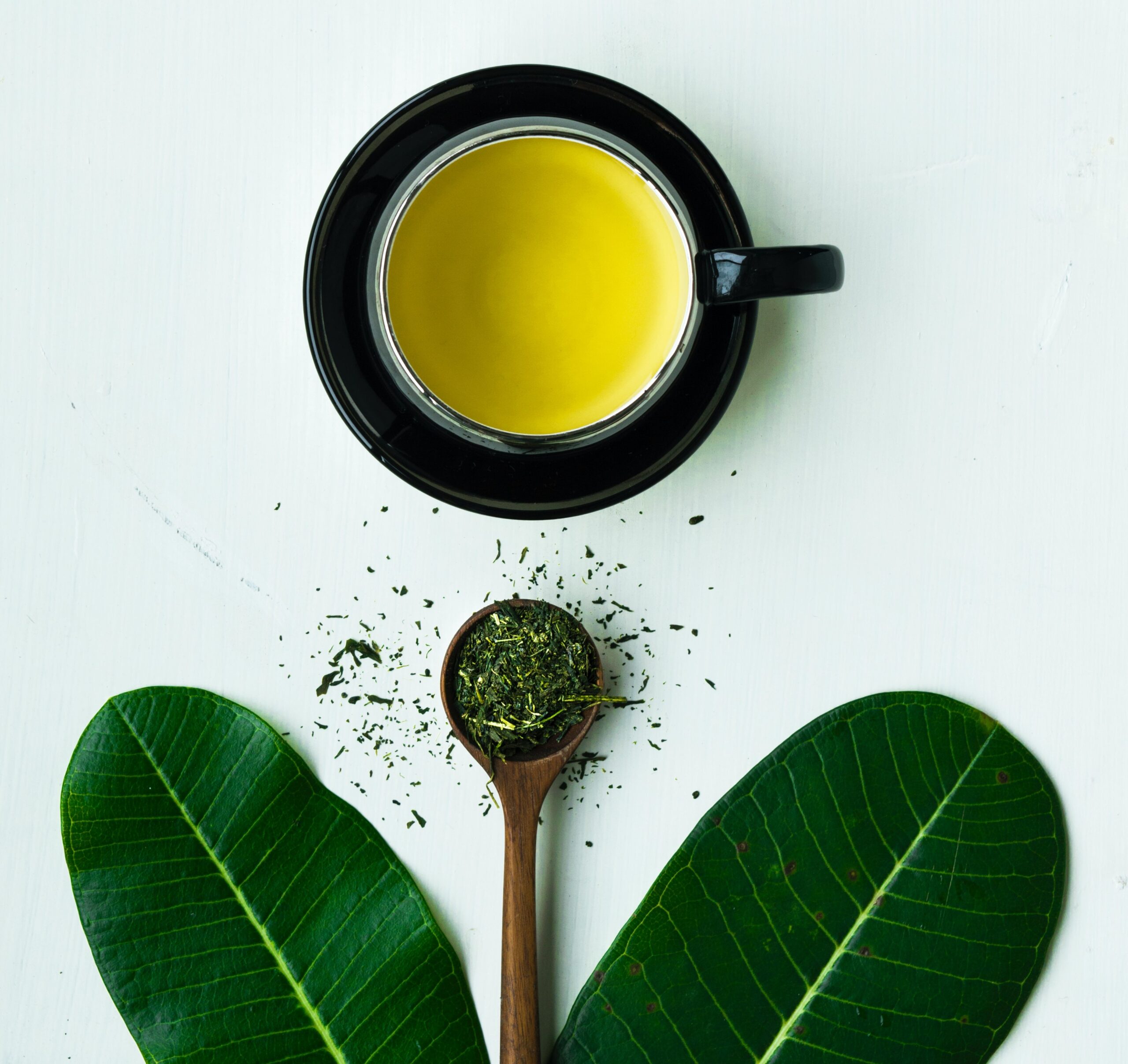
When people think of Japanese tea,
they often imagine matcha.
But in everyday Japanese life,
the tea most commonly poured is not matcha —
it is ryokucha.
What Is Ryokucha?
Ryokucha simply means green tea.
It refers to loose-leaf green teas that are gently steeped in hot water, such as:
- Sencha
- Bancha
- Hojicha
- Genmaicha
- Fukamushicha
Ryokucha is not ceremonial.
It is practical, familiar, and deeply woven into daily life.
Matcha and Ryokucha — Two Different Roles
Matcha is intentional.
Ryokucha is continuous.
Matcha invites focus.
Ryokucha supports balance.
In many Japanese homes, matcha is prepared for specific moments,
while ryokucha is brewed again and again throughout the day.
Both matter — but in different ways.
Ryokucha as a Daily Habit
Ryokucha appears naturally in everyday moments:
- After waking up
- With meals
- When guests arrive
- During breaks
- Before sleep (especially hojicha or bancha)
It does not demand attention.
It gently accompanies life.
This quiet presence is part of why Japanese tea culture feels calm rather than rigid.
Gentle Energy and Natural Balance
Ryokucha contains:
- Catechins (antioxidants)
- Mild caffeine
- Small amounts of L-theanine
Because it is steeped rather than consumed whole,
its effect is softer than matcha.
This makes ryokucha ideal for:
- Long days
- Repeated cups
- Sustained hydration
- People sensitive to strong caffeine
It supports the body without overstimulation.
The Tea of Ordinary Life
Historically, ryokucha belonged to everyone.
Farmers drank bancha during work.
Samurai households brewed sencha daily.
Merchants served ryokucha to guests without ceremony.
This tea was never about status.
It was about continuity.
A Quiet Form of Mindfulness
Ryokucha does not require ritual.
But its simplicity naturally creates awareness:
- The warmth of the cup
- The soft aroma
- The slow release of flavor
Without trying, the body relaxes.
This is mindfulness without instruction —
presence without effort.
Why Ryokucha Still Matters
In a world that celebrates intensity,
ryokucha offers something different.
It reminds us that wellness does not always come from doing more.
Sometimes, it comes from returning to what is gentle and repeatable.
Ryokucha is not dramatic.
It does not ask to be noticed.
And that is exactly its strength.
Author note
This article is part of Matcha Moments, a modern exploration of matcha, Zen,
and the Samurai mind in everyday life.
Comments