
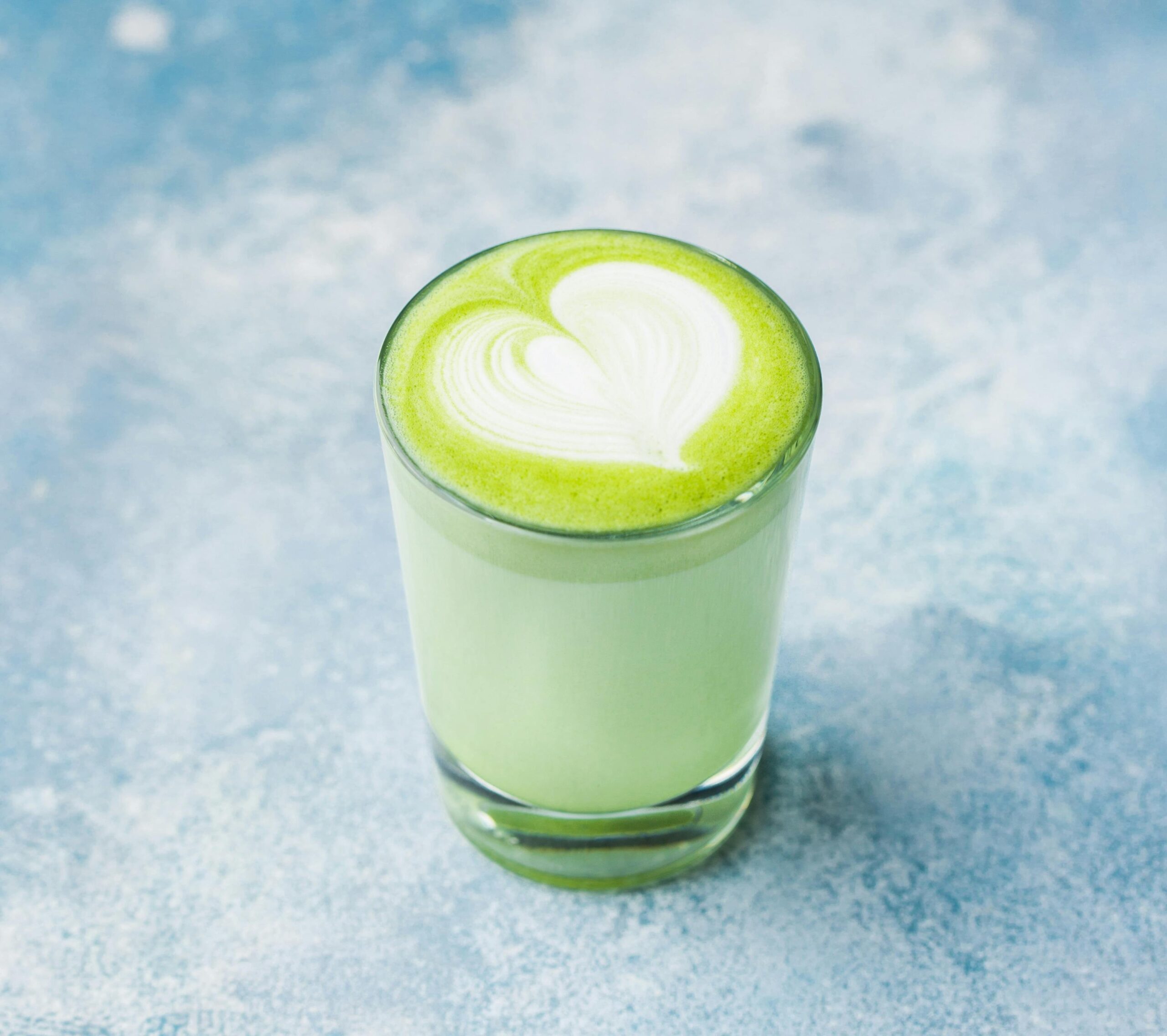
Matcha is often praised as a calm, healthy alternative to coffee.
But for some people, the experience is very different.
You might feel jittery.
Your heart might race.
Your stomach might feel heavy or uncomfortable.
If that’s happened to you, you’re not alone — and it doesn’t mean matcha is “bad” or that you’re doing something wrong.
This article explores why matcha doesn’t work for everyone, and how to approach it in a gentler, more supportive way.
Matcha Isn’t One-Size-Fits-All
Despite its reputation as a wellness drink, matcha is still a powerful substance.
Unlike brewed tea, matcha is consumed whole — meaning you ingest the entire tea leaf.
That makes its effects stronger and more immediate than many people expect.
Some bodies respond beautifully to this.
Others need a different approach.
Common Reasons Matcha Feels “Too Strong”
Sensitive Nervous Systems
People with sensitive nervous systems may feel overstimulated, even with small amounts of caffeine.
While matcha contains L-theanine — known for its calming effect — caffeine is still present.
For some, the balance feels calming.
For others, it feels overwhelming.
Drinking Matcha on an Empty Stomach
Matcha can be harsh when consumed first thing in the morning without food.
Because it contains tannins and caffeine, drinking matcha on an empty stomach may cause:
- Nausea
- Lightheadedness
- Stomach discomfort
This is one of the most common reasons people say matcha “doesn’t agree with them.”
Using the Wrong Type of Matcha
Not all matcha is created equal.
Lower-quality or culinary-grade matcha can taste bitter and feel rough on the body when used for drinking.
This often leads to the assumption that matcha itself is the problem — when it’s really the type of matcha.
Matcha Isn’t Meant to Be Rushed
In traditional contexts, matcha was never meant to be consumed quickly or mindlessly.
The act of preparing matcha — whisking slowly, paying attention to texture and temperature — naturally slows the body down.
When matcha is treated like a quick caffeine fix, its benefits can easily disappear.
How to Drink Matcha More Gently
Start Small
You don’t need a full teaspoon.
Try:
- ½ teaspoon or less
- Diluting with more water or milk
- Drinking it slowly, not all at once
Less can be more with matcha.
Always Pair It with Food
Even a small snack makes a difference.
Drinking matcha after a meal — or alongside something simple like toast or fruit — can dramatically reduce discomfort.
Choose a Softer Preparation
If straight matcha feels intense, try gentler options:
- A light matcha latte
- More milk or oat milk
- Lower water temperature
Matcha doesn’t need to be strong to be effective.
Matcha and Calm Focus — Why It Feels Different from Coffee
If you’re curious why matcha often feels calmer than coffee — when it does work — you can read the science behind it here:
→ Why Matcha Supports Calm Focus (Science-Based)
(This article explains how caffeine and L-theanine interact in the body.)
When Matcha Truly Isn’t Right for You
Sometimes, the most mindful choice is to listen to your body.
If matcha consistently causes discomfort, anxiety, or digestive issues — even when prepared gently — it may simply not be the right drink for you right now.
That’s not failure.
That’s awareness.
Other Japanese teas like hojicha or genmaicha offer warmth and calm with far less stimulation.
A Gentler Way Forward
Matcha isn’t about pushing through discomfort or chasing productivity.
At its best, matcha supports:
- Presence
- Quiet focus
- A sense of balance
When approached gently, it becomes less about “what it does” — and more about how it feels in your body.
And that feeling is always personal.
Comments